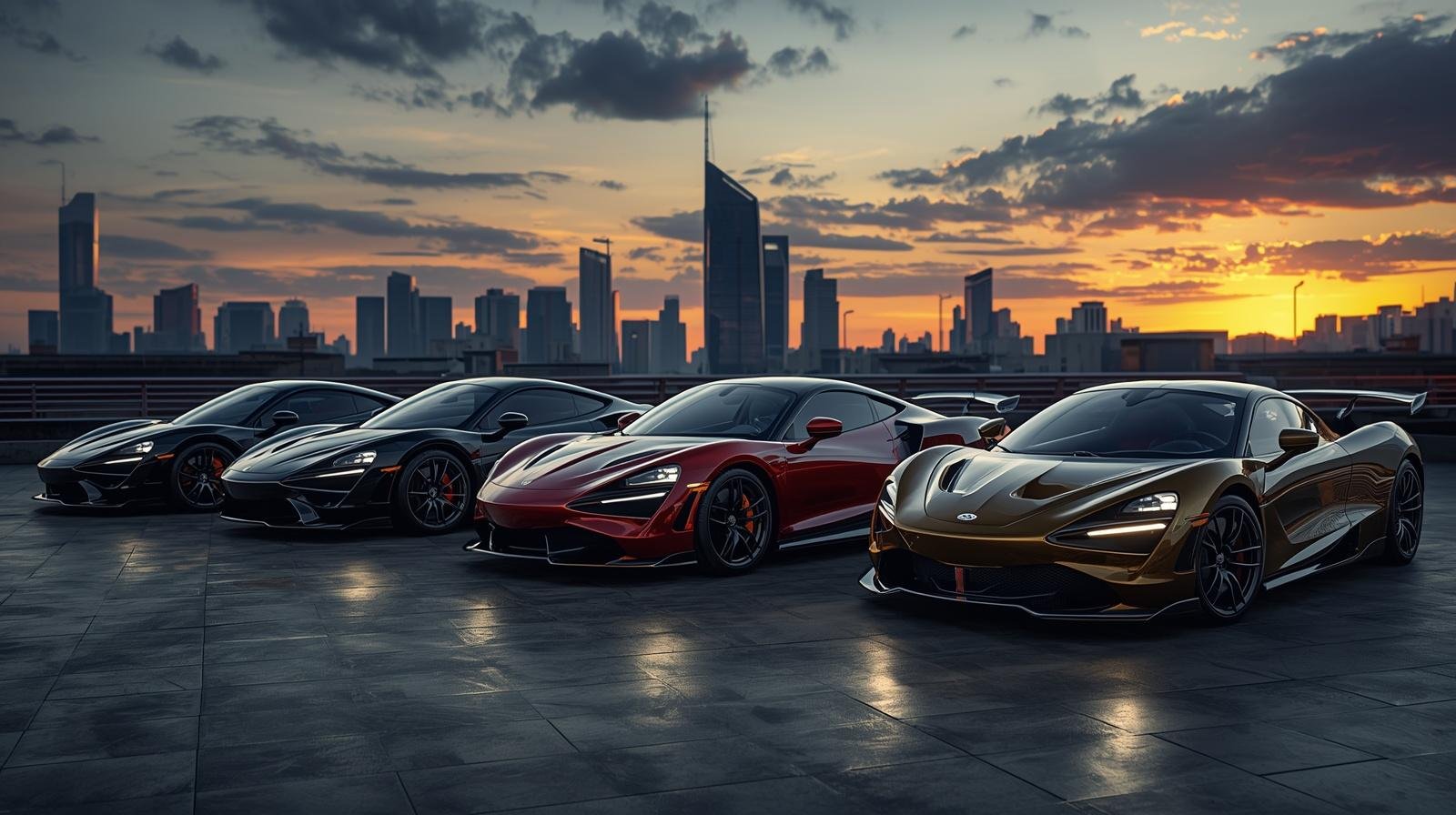

Sports cars continue to shape the global automotive market in 2026. Car manufacturers now focus on speed, handling, fuel systems, electric performance, safety technology, and digital driving systems. Buyers want vehicles that deliver power on highways, control on corners, and comfort during daily driving. Sports car demand has increased across North America, Europe, Asia, and the Middle East because drivers now look for performance with technology integration.
The 2026 sports car segment includes electric models, hybrid systems, turbocharged engines, and track-focused machines. Companies compete through acceleration numbers, battery range, driving response, cockpit technology, and aerodynamic development. This review explains the leading sports cars of 2026 and highlights the performance, engine systems, interior layouts, safety features, and market value of each model.
Evolution of Sports Cars in 2026
Sports cars in earlier decades focused mainly on engine displacement and top speed. In 2026, manufacturers combine software, electric powertrains, lightweight materials, and data systems to improve driving performance.
Modern sports cars now include:
- Electric power assistance
- Adaptive suspension systems
- Launch control technology
- AI driving analytics
- Carbon fiber construction
- Regenerative braking
- Digital cockpit interfaces
These features improve acceleration, handling, efficiency, and driver control.
Ferrari F8 Successor Review
Ferrari 296 GTB represents Ferrari’s performance direction in 2026. The vehicle combines hybrid engineering with track performance.
Engine and Powertrain
The car uses:
- Twin-turbo V6 engine
- Plug-in hybrid system
- Electric motor integration
- Eight-speed transmission
Combined power output exceeds 800 horsepower. The hybrid system supports acceleration and fuel management during high-speed driving.
Performance Numbers
Performance metrics include:
- 0–100 km/h in under 3 seconds
- Top speed above 320 km/h
- Fast gear response
- Stable cornering control
The electronic differential system improves traction on race tracks and highways.
Interior Technology
Interior systems include:
- Digital driver display
- Steering wheel controls
- Voice command support
- Driving mode selector
- Carbon fiber seating structure
The cabin focuses on driver visibility and control access.
Market Position
Ferrari targets collectors, track drivers, and luxury performance buyers. The hybrid system also supports future emissions standards in several countries.
Porsche 911 Turbo S Review
Porsche 911 Turbo S remains one of the strongest sports cars in 2026 because of reliability, speed, and daily usability.
Engine Configuration
The vehicle includes:
- Twin-turbo flat-six engine
- All-wheel-drive system
- Dual-clutch transmission
- Active suspension management
The engine produces more than 640 horsepower.
Driving Experience
The Porsche 911 Turbo S provides:
- Fast acceleration
- High-speed balance
- Predictable steering
- Wet-road stability
The rear-engine layout supports traction during launch conditions.
Technology Features
Technology systems include:
- Lane monitoring
- Adaptive cruise control
- Navigation display
- Track telemetry software
- Smartphone integration
Drivers can store lap timing and performance data through onboard software.
Fuel Efficiency
Despite performance output, fuel economy remains competitive because of transmission calibration and engine management systems.
Chevrolet Corvette ZR1 Review
Chevrolet Corvette ZR1 enters 2026 with track-focused upgrades and increased horsepower.
Engine Details
The ZR1 uses:
- Supercharged V8 engine
- Rear-wheel drive layout
- Performance cooling systems
- Lightweight chassis materials
Output exceeds 800 horsepower.
Track Performance
Track features include:
- Carbon ceramic brakes
- Rear aerodynamic wing
- Performance tires
- Electronic traction control
These systems improve lap consistency and cornering speed.
Interior Layout
The cabin includes:
- Racing seat design
- Performance steering wheel
- Driver-focused dashboard
- Digital telemetry systems
The infotainment system supports wireless updates and navigation functions.
Price and Value
Compared with European rivals, the Corvette ZR1 offers strong performance at a lower price point.
Lamborghini Revuelto Review
Lamborghini Revuelto combines hybrid engineering with V12 performance.
Powertrain Structure
The vehicle includes:
- Naturally aspirated V12 engine
- Three electric motors
- Battery-assisted acceleration
- All-wheel-drive platform
The hybrid layout supports power delivery during launch and corner exits.
Exterior Design
Exterior elements include:
- Sharp aerodynamic channels
- Active air management
- Rear diffuser system
- LED lighting systems
The body structure improves airflow and stability.
Driving Modes
Drivers can switch between:
- Electric mode
- Hybrid mode
- Track mode
- Performance mode
Each mode changes throttle response, suspension settings, and steering calibration.
Interior Features
The cockpit contains:
- Digital instrument panel
- Touchscreen controls
- Driver telemetry data
- Climate systems
- Alcantara and carbon materials
Nissan GT-R Final Edition Review
Nissan GT-R continues its legacy in 2026 with updated electronics and engine tuning.
Engine Performance
Key specifications include:
- Twin-turbo V6 engine
- All-wheel-drive system
- Dual-clutch gearbox
- Performance exhaust setup
The GT-R focuses on acceleration and grip management.
Technology Integration
Features include:
- Real-time performance monitoring
- Driving analytics
- Torque distribution management
- Suspension adjustment controls
Racing Heritage
The GT-R gained popularity through motorsport culture and street performance communities. The 2026 version maintains that identity while adding digital improvements.
Tesla Roadster Review
Tesla Roadster remains one of the most discussed sports cars in 2026.
Electric Powertrain
The Roadster uses:
- Tri-motor electric setup
- Battery management systems
- Torque vectoring
- High-capacity battery pack
Acceleration
The electric system delivers:
- Instant torque
- Rapid launch capability
- High-speed response
- Silent acceleration
The Roadster competes directly with combustion sports cars.
Range and Charging
Charging features include:
- Fast charging compatibility
- Long driving range
- Energy regeneration systems
- Route planning software
Technology Systems
Tesla integrates:
- Autonomous driving assistance
- Large infotainment display
- Cloud software updates
- Voice-based controls
McLaren Artura Review
McLaren Artura combines lightweight engineering with hybrid performance.
Chassis Development
The Artura uses:
- Carbon fiber monocoque
- Lightweight suspension
- Rear-wheel-drive system
- Compact hybrid battery
Engine Setup
Power comes from:
- Twin-turbo V6
- Electric motor support
- Performance transmission
- Regenerative systems
Driving Balance
The vehicle focuses on:
- Steering precision
- Corner balance
- Weight distribution
- Brake response
Track drivers value its handling characteristics.
BMW M4 CSL Review
BMW M4 CSL remains a major option for enthusiasts who want sports performance with daily practicality.
Performance Systems
Features include:
- Twin-turbo inline-six engine
- Rear-wheel drive
- Adaptive suspension
- Carbon roof construction
Driver Assistance
Technology systems include:
- Parking sensors
- Driving assistance
- Blind-spot monitoring
- Collision mitigation systems
Daily Driving
The M4 CSL balances:
- Highway comfort
- Track capability
- Cargo functionality
- Passenger seating
This balance attracts buyers who use sports cars every day.
Audi R8 Final Production Review
Audi R8 continues production in limited numbers during 2026.
Engine Platform
The R8 includes:
- Naturally aspirated V10 engine
- Quattro all-wheel drive
- Performance exhaust
- Dual-clutch transmission
Interior Experience
Cabin features include:
- Virtual cockpit display
- Driver-focused controls
- Navigation systems
- Premium audio systems
Market Influence
The Audi R8 gained popularity because of:
- Motorsport links
- Daily usability
- Engine sound profile
- Mechanical reliability
Mercedes-AMG GT Review
Mercedes-AMG GT delivers performance with touring capability.
Engine Technology
The AMG GT includes:
- Twin-turbo V8 engine
- Rear-wheel steering
- Electronic differential
- Performance suspension
Comfort and Space
The vehicle provides:
- Larger cargo area
- Digital cockpit systems
- Multi-zone climate controls
- Long-distance driving comfort
Buyer Interest
Buyers choose AMG GT models for:
- Highway performance
- Brand reputation
- Interior technology
- Engine output
Electric Sports Cars and the Future
Electric technology now influences sports car development across the industry.
Key changes include:
- Instant torque delivery
- Reduced emissions
- Battery-based acceleration
- Software-controlled driving systems
Manufacturers continue investing in:
- Battery density
- Charging infrastructure
- Lightweight construction
- Electric motorsport programs
Sports Car Buying Factors in 2026
Before buying a sports car, consumers compare several categories.
Engine Type
Options include:
- Naturally aspirated engines
- Turbocharged engines
- Hybrid systems
- Full electric systems
Each option affects sound, acceleration, fuel economy, and maintenance.
Drivetrain Layout
Buyers choose between:
- Rear-wheel drive
- All-wheel drive
- Mid-engine platforms
- Front-engine platforms
Handling characteristics vary between layouts.
Maintenance Costs
Performance vehicles often require:
- Tire replacement
- Brake maintenance
- Premium fuel
- Specialized servicing
Luxury brands generally cost more to maintain.
Insurance Rates
Insurance depends on:
- Horsepower
- Vehicle price
- Repair costs
- Driver history
Sports cars usually have higher insurance premiums than standard vehicles.
Safety Technology in Sports Cars
Modern sports cars include advanced safety systems.
Common systems include:
- Collision warning
- Emergency braking
- Lane monitoring
- Stability control
- Adaptive headlights
These technologies improve safety during high-speed driving.
Best Sports Cars for Different Buyers
For Track Driving
Recommended models:
- Ferrari 296 GTB
- McLaren Artura
- Corvette ZR1
For Daily Driving
Recommended models:
- Porsche 911 Turbo S
- BMW M4 CSL
- Audi R8
For Electric Performance
Recommended models:
- Tesla Roadster
For Collector Interest
Recommended models:
- Lamborghini Revuelto
- Nissan GT-R Final Edition
Sports Car Market Trends in 2026
Several trends shape the sports car industry:
- Hybrid performance systems
- Electric sports platforms
- AI driving assistance
- Subscription software services
- Lightweight engineering
- Carbon-neutral manufacturing
Manufacturers continue balancing emissions standards with consumer demand for performance vehicles.
Conclusion
The sports car market in 2026 combines performance engineering with digital technology, hybrid systems, and electric innovation. Manufacturers now focus on acceleration, software integration, safety systems, and environmental standards while maintaining driving excitement.
Models like the Ferrari 296 GTB, Porsche 911 Turbo S, Corvette ZR1, Lamborghini Revuelto, Tesla Roadster, and McLaren Artura represent the future direction of performance vehicles. Buyers now have access to traditional combustion engines, hybrid systems, and electric platforms within the same sports car market.
Sports cars remain symbols of engineering development, motorsport culture, and automotive innovation. The 2026 lineup shows how manufacturers continue adapting performance vehicles for modern drivers, changing regulations, and future transportation technology.