

Introduction
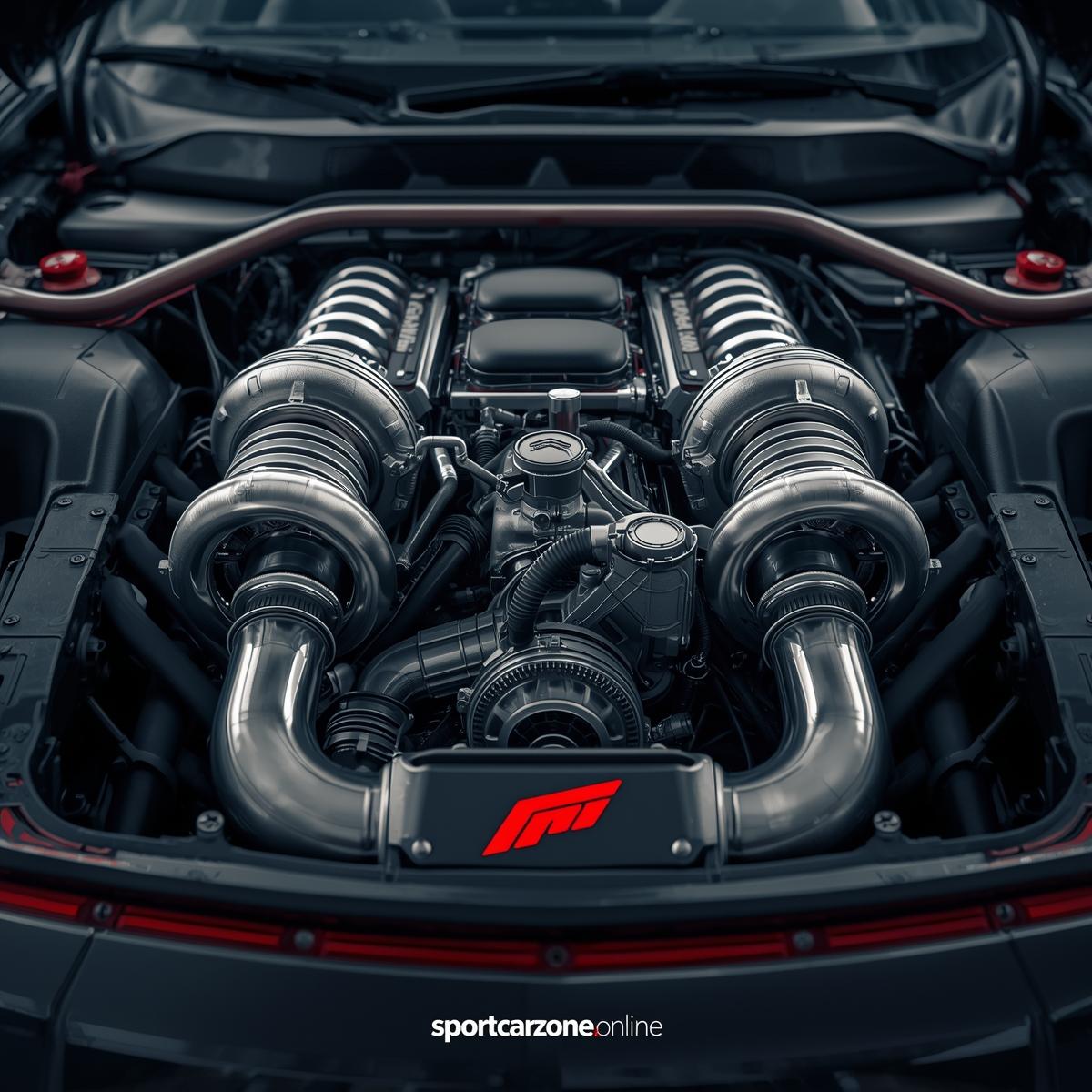
The engine plays a central role in defining a sports car. It influences acceleration, balance, sound, and driver response. Many engine types exist across the sports car market, each serving different design goals. This article explains the engine types used in sports cars, how they work, where they are placed, and why manufacturers choose them.
This guide answers search queries related to sports car engines with clear structure and factual explanation.
Role of the Engine in a Sports Car
A sports car engine is designed to support driving engagement rather than transport efficiency. The engine works as part of a system that includes drivetrain, chassis, and suspension.
Primary engine goals include:
- Power delivery control
- Throttle response
- Weight balance
- Integration with drivetrain layout
Engine choice affects how a sports car behaves on the road and track.
Engine Configuration Basics
Engine configuration refers to how cylinders are arranged and how the engine fits within the vehicle structure.
Main configuration factors:
- Cylinder layout
- Cylinder count
- Engine size
- Induction method
Each factor affects performance and packaging.
Inline Engine Types
Inline Four Engines
Inline four engines appear in many entry and mid-level sports cars. Cylinders are arranged in a single row.
Key traits:
- Compact size
- Lower weight
- Simpler construction
These engines allow better front weight balance and lower manufacturing cost. Many use turbocharging to increase output.
Inline Six Engines
Inline six engines place six cylinders in one line. This configuration provides smooth power delivery and balance.
Common traits:
- Longer engine block
- Smooth operation
- Strong mid-range power
Inline six engines often appear in front-engine sports cars with rear wheel drive layouts.
V-Shaped Engine Types
V6 Engines
V6 engines use two cylinder banks arranged in a V shape. This shortens engine length and supports varied placement.
Traits include:
- Compact length
- Flexible mounting
- Broad power range
V6 engines appear in both front and mid-engine sports cars.
V8 Engines
V8 engines use eight cylinders arranged in a V configuration. This setup supports high power output.
Common features:
- Higher displacement
- Strong acceleration
- Distinct firing pattern
V8 engines often appear in performance-focused sports cars and some supercars.
V10 and V12 Engines
V10 and V12 engines appear in higher-end sports cars and performance models. These engines support high engine speed and output.
Characteristics:
- Multiple cylinders
- Smooth power delivery
- Complex construction
These engines require more space and cooling support.
Flat Engine Types
Flat Four Engines
Flat engines place cylinders horizontally on opposite sides. Flat four engines appear in some sports cars to support balance.
Benefits include:
- Lower center of mass
- Improved handling balance
Flat Six Engines
Flat six engines are known for balance and engine placement advantages. This layout supports rear or mid-engine designs.
Key points:
- Reduced vertical height
- Weight distribution control
- Distinct mechanical layout
Flat engines influence vehicle handling characteristics strongly.
Rotary Engines
Rotary engines use a different internal process than piston engines. They use rotating chambers instead of pistons.
Traits:
- Compact size
- High engine speed capability
- Low vibration
Rotary engines appear in limited sports car applications due to efficiency and emission challenges.
Naturally Aspirated Engines
Naturally aspirated engines draw air without forced induction.
Advantages:
- Direct throttle response
- Linear power delivery
- Mechanical simplicity
Many drivers prefer this engine type for control and predictability.
Turbocharged Engines
Turbocharged engines use exhaust gases to compress intake air.
Benefits:
- Increased power from smaller engines
- Improved efficiency balance
- Flexible tuning options
Turbo lag and heat management are key considerations.
Supercharged Engines
Supercharged engines use mechanical drive systems to compress intake air.
Key traits:
- Immediate power response
- Linear boost delivery
- Higher mechanical load
Supercharging appears less frequently but remains used in specific sports car designs.
Hybrid Engine Systems
Hybrid sports car engines combine internal combustion engines with electric motors.
Roles of hybrid systems:
- Power support
- Energy recovery
- Emission control
Hybrid systems increase system complexity and cost but support performance goals.
Engine Placement and Its Impact
Front Engine Layout
Front engine sports cars place the engine ahead of the driver. This layout supports accessibility and balance with rear wheel drive.
Mid Engine Layout
Mid engine layouts place the engine behind the driver and ahead of the rear axle. This supports weight distribution and handling.
Rear Engine Layout
Rear engine layouts place the engine behind the rear axle. This design affects traction and handling response.
Engine placement works together with engine type to shape driving behavior.
Cooling and Heat Management
Sports car engines require effective cooling due to high operating loads.
Cooling systems include:
- Radiators
- Oil coolers
- Airflow channels
Engine design must support sustained use without overheating.
Exhaust System Role
The exhaust system manages:
- Gas flow
- Heat
- Sound output
Exhaust design affects engine performance and compliance requirements.
Engine Reliability and Maintenance
Engine type affects:
- Service intervals
- Repair cost
- Long-term durability
Complex engines require specialized service and parts availability.
Emission and Regulation Factors
Engine choices are influenced by:
- Emission standards
- Noise limits
- Fuel requirements
Manufacturers adjust engine design to meet regulations while maintaining performance goals.
Market Trends in Sports Car Engines
Trends include:
- Smaller engines with turbocharging
- Hybrid integration
- Reduced cylinder count
These trends balance performance and compliance needs.
Choosing the Right Engine Type
Buyers consider:
- Driving style
- Maintenance budget
- Usage pattern
No single engine type fits all drivers.
SEO Summary Points
Search intent shows interest in:
- Engine layouts
- Turbo vs natural aspiration
- Cylinder configuration
- Performance impact
Sports car engines vary to meet different performance goals.
Conclusion
Engine types used in sports cars vary based on performance target, layout, and regulation. Inline, V-shaped, flat, rotary, turbocharged, supercharged, and hybrid engines all serve different purposes. Engine choice defines how a sports car responds, handles, and connects with the driver. Understanding these engine types helps readers evaluate sports cars with clarity and confidence.