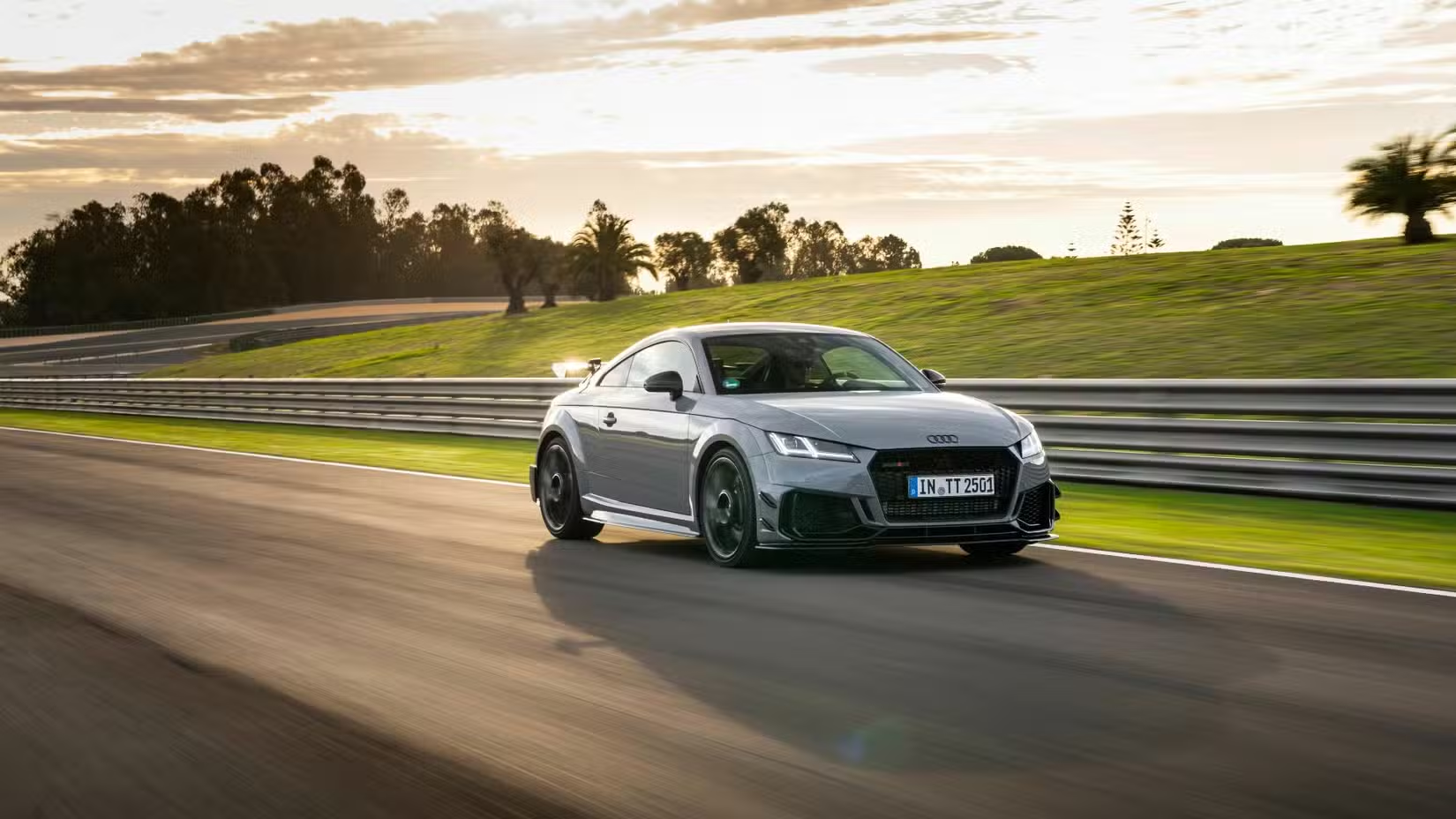
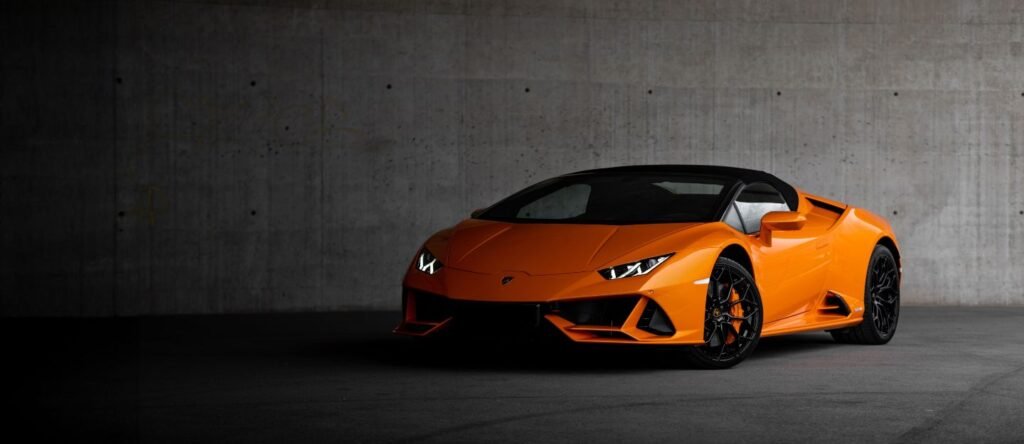
The decision to buy a sports car is rarely a logical one. It is a decision made with the heart, driven by a desire for exhilaration, connection, and pure driving joy. While a family SUV is bought for practicality, a sports car is bought for the feeling it inspires. As one expert put it, “A sports car needs to appeal to the heart before the head” . This guide is designed to help you navigate the thrilling, and sometimes daunting, process of choosing the sports car that will not just meet your needs, but fulfill your dreams.
What Defines a Sports Car?
Before you start shopping, it’s helpful to understand what makes a sports car. The definition has evolved over time, but the core principles remain .
The Traditional Soul
Traditionally, a sports car is a small, lightweight vehicle designed for agility and performance. Think of the classic British roadsters like the Mazda MX-5 Miata. These cars typically feature two doors, two seats, and an open top, prioritizing driving pleasure above all else . They are built to be tossed into corners, with a focus on handling and driver feedback over sheer straight-line speed.
The Modern Interpretation
Today, the definition is more inclusive. The contemporary sports car can be a fixed-roof coupe, a practical hatchback, or even a performance sedan. What unites them is a shared set of characteristics: enhanced acceleration, at-speed handling, and a throaty engine note . A modern sports car is defined by its purpose—to place “performance above practicality and fun above function” . This expanded view opens the door to a wider array of vehicles, all of which can provide a thrilling driving experience.
Muscle Cars vs. Sports Cars
A common point of confusion is the difference between a sports car and a muscle car. While both offer performance, their philosophies differ. A classic muscle car, like a Ford Mustang GT or Dodge Challenger, prioritizes a large V8 engine for explosive acceleration in a straight line . A sports car, however, is designed to be a more balanced performer, excelling in both acceleration and cornering ability . The iconic Chevrolet Corvette has evolved to embody this philosophy, with its mid-engine design providing supercar-level handling .
Step 1: Define Your Driving Reality
The first and most crucial step is to be honest about how you will actually use the car. The perfect sports car for a weekend mountain road will be very different from one you plan to drive every day.
The Daily Driver vs. The Weekend Warrior
If this will be your primary mode of transport, you need to consider compromises. A car like the BMW M2 or a sports sedan like the Hyundai Elantra N offers a blend of performance and practicality, with rear seats and usable cargo space . They are comfortable enough for a commute but exciting enough for a backroad blast. If the car is purely for weekend fun, you can prioritize engagement over comfort. The Mazda MX-5 Miata is the ultimate example of this, a car that prioritizes pure driving pleasure and won’t break the bank .
Lifestyle and Practicality
Think about your lifestyle. Are you often carrying more than one passenger? Two-seaters like the Porsche 718 Boxster or Chevrolet Corvette offer an intimate driving experience but little room for extra people . A 2+2 coupe, like the Toyota GR86, has a small back seat for occasional use or extra storage . Also, consider cargo space and ground clearance. Many sports cars are low to the ground, which can be a challenge with steep driveways or speed bumps.
Step 2: Understand the Technical Choices
Once you’ve defined your needs, it’s time to dive into the fun part—the technical aspects that define the driving experience.
The Drivetrain: Front, Rear, or All-Wheel Drive?
The drive configuration is fundamental to a car’s character. Rear-wheel drive (RWD) is the traditional choice for sports cars, offering balanced weight distribution and a thrilling, engaging driving feel . Cars like the Toyota GR86 and Subaru BRZ are beloved for their RWD chassis. All-wheel drive (AWD) provides maximum grip in all conditions, offering superior traction and confidence on a track or in wet weather . The Porsche 911 and many modern performance cars are available with AWD for year-round capability.
Manual or Automatic?
This is a debate as old as the sports car itself. A manual transmission is the choice for driving purists. It creates an intimate connection between driver and machine, making you an active participant in the driving experience . As one enthusiast guide notes, “Manuals are increasingly hard to find but there are still thrilling options” . The Toyota GR Supra and BMW M2 are examples of cars that offer an engaging manual experience . Modern automatic and dual-clutch transmissions, on the other hand, are undeniably faster and more convenient, especially in traffic. They offer lightning-quick shifts and, in many cases, paddle shifters for manual control.
Engine and Power: Beyond the Numbers
It’s easy to get caught up in horsepower figures, but the engine’s character matters just as much. A large, naturally aspirated V8, like in the Ford Mustang GT or Chevrolet Corvette, offers a thrilling soundtrack and linear power delivery. A turbocharged engine, often a four or six-cylinder, provides a surge of low-end torque and fuel efficiency. For example, the Honda Civic Type R uses a turbocharged four-cylinder that is both powerful and practical . It’s important to consider how the car performs the way you will drive it, not just its peak horsepower on a spec sheet .
Step 3: The Ultimate Test: The Test Drive
No amount of research can replace the experience of a proper test drive. A car can look perfect on paper but feel completely wrong from the driver’s seat.
What to Look For
Your test drive is not just a casual cruise. It’s a thorough evaluation. The best way to determine if a specific sports car fits your wants and needs is to drive it . Listen for unusual engine or transmission noises. Test the brakes for responsiveness and consistency. Feel for vibrations or steering issues. Check the handling on corners and under hard acceleration, and also try daily driving scenarios, including traffic, hills, and highway speeds . The car should feel like an extension of you, responding instantly and predictably to your inputs.
The Importance of Condition
If you are buying a used sports car, a pre-purchase inspection by a mechanic is essential. A car that has been tracked or heavily modified may have hidden issues. Look for signs of wear and tear, and always verify the service history .
Step 4: Budget for the Long Haul
The purchase price is just the beginning. Sports cars often come with higher long-term costs that can surprise a new buyer.
Maintenance and Reliability
The cost of ownership varies dramatically by brand and model. A Porsche 911 offers a legendary driving experience, but its maintenance costs are equally legendary, averaging around $5,400 over five years . A basic oil change on a Porsche can run between $300 and $500 . Other cars are known for their reliability, like the Mazda MX-5 Miata, which has been the “answer to ‘what’s the most reliable sports car’ for over three decades” and won’t “make you rethink your life choices” when it comes to maintenance . The Toyota GR86 also stands out, with a simple mechanical layout that keeps costs refreshingly reasonable .
Insurance, Tires, and Depreciation
Insurance costs are generally higher for sports cars, especially for younger drivers . High-performance tires are expensive and can wear out quickly, especially if you drive the car hard . Finally, depreciation is a major factor. Some cars, like the Porsche 911, hold their value exceptionally well, while others can lose value quickly .
Conclusion: Finding Your Perfect Match
Choosing the perfect sports car is a personal and exciting journey. It’s about finding a car that speaks to you. By being honest about your needs, understanding the key technical aspects, performing a thorough test drive, and planning for the long-term costs, you can find the sports car that will deliver the driving experience you’ve always dreamed of. Whether it’s a lightweight roadster, a balanced coupe, or a powerful grand tourer, the perfect car is out there, waiting to be driven.