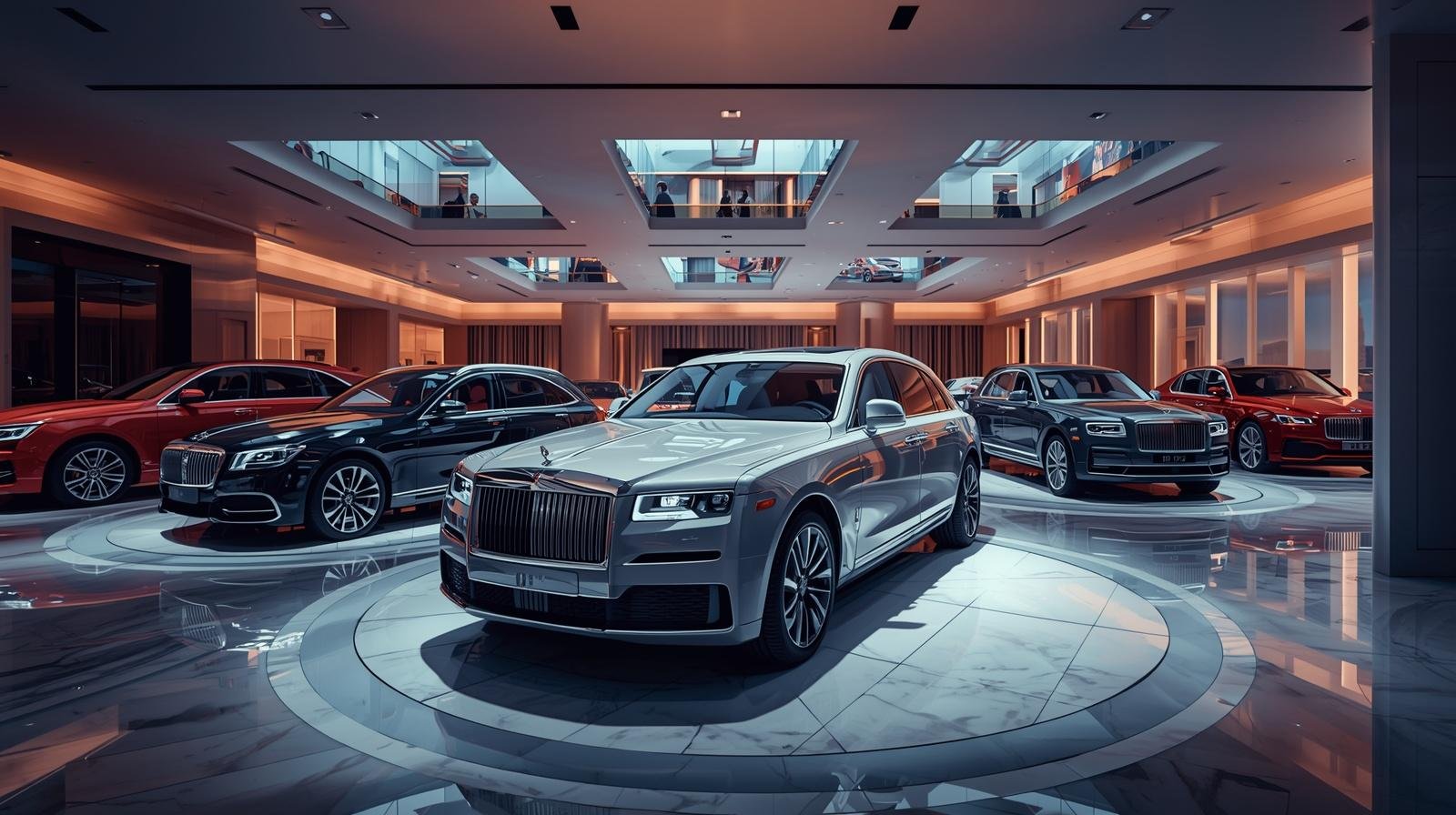

Luxury cars continue to dominate the premium automotive market in 2026. Buyers now expect more than transportation from high-end vehicles. They want technology integration, cabin comfort, safety systems, performance capability, fuel efficiency, and digital connectivity. Luxury car manufacturers compete through engineering, interior design, electric mobility, autonomous features, and personalized driving experiences.
The 2026 luxury car segment includes electric sedans, hybrid SUVs, executive limousines, and performance-focused touring vehicles. Companies focus on battery innovation, driver assistance systems, infotainment platforms, and sustainable manufacturing processes. This guide reviews the top luxury cars you should consider in 2026 and explains their features, performance, technology, and market position.
Growth of the Luxury Car Market in 2026
Luxury vehicles have evolved from traditional sedans into technology-driven mobility platforms. Buyers now compare:
- Autonomous driving features
- Electric driving range
- Interior technology
- Cabin materials
- Passenger comfort
- Connectivity systems
- Safety performance
- Brand reputation
Manufacturers continue investing in electric mobility and software development to attract premium buyers.
Mercedes-Benz S-Class Review
Mercedes-Benz S-Class remains one of the leading luxury sedans in 2026.
Engine and Performance
The S-Class offers:
- Turbocharged inline-six engines
- V8 engine options
- Plug-in hybrid systems
- Air suspension technology
The suspension system improves ride comfort on highways and city roads.
Interior Features
Cabin technology includes:
- Digital dashboard
- Rear-seat entertainment
- Voice assistant systems
- Ambient lighting
- Massage seating functions
- Climate control zones
Rear passengers receive additional legroom and infotainment controls.
Safety Systems
The vehicle includes:
- Adaptive cruise control
- Lane guidance systems
- Emergency braking
- Driver monitoring technology
- Parking automation
Mercedes-Benz continues focusing on passenger protection and driving assistance.
BMW 7 Series Review
BMW 7 Series combines executive comfort with driving performance.
Engine Options
The 7 Series lineup includes:
- Hybrid powertrains
- Electric variants
- Turbocharged gasoline engines
- All-wheel-drive systems
Driving Experience
BMW focuses on:
- Steering response
- Highway stability
- Cabin insulation
- Suspension calibration
The vehicle balances comfort with driver engagement.
Technology Integration
Technology systems include:
- Curved digital display
- Gesture controls
- Rear entertainment screen
- Wireless smartphone integration
- AI navigation support
Passengers can access media and business functions during travel.
Rolls-Royce Spectre Review
Rolls-Royce Spectre represents the company’s move into electric mobility.
Electric Powertrain
The Spectre features:
- Dual electric motors
- Battery-powered drivetrain
- Silent acceleration
- Long-range battery systems
Cabin Experience
Interior systems include:
- Handcrafted materials
- Digital interface controls
- Rear privacy features
- Starlight roof system
- Advanced climate systems
Rolls-Royce focuses on passenger comfort and ride isolation.
Market Position
The Spectre targets:
- Executive buyers
- Collectors
- Luxury mobility clients
- Chauffeur-driven customers
Bentley Flying Spur Review
Bentley Flying Spur combines touring capability with premium craftsmanship.
Powertrain Features
The Flying Spur offers:
- Hybrid engine systems
- Twin-turbo V8 options
- All-wheel-drive technology
- Performance suspension
Interior Design
Cabin materials include:
- Wood trim panels
- Leather seating
- Digital instrument cluster
- Rear seat controls
Bentley focuses on craftsmanship and long-distance travel comfort.
Performance Capability
Despite luxury focus, the Flying Spur delivers:
- Fast acceleration
- Stable cornering
- Highway performance
- Smooth power delivery
Lexus LS Review
Lexus LS remains a major option for buyers seeking comfort and reliability.
Engine Systems
The Lexus LS includes:
- Hybrid engine options
- Rear-wheel-drive layout
- Adaptive suspension systems
- Fuel management technology
Reliability Reputation
Lexus vehicles maintain strong reliability records because of:
- Manufacturing consistency
- Low maintenance frequency
- Durable engine systems
- Long-term ownership value
Technology Features
Features include:
- Navigation systems
- Driver assistance technology
- Parking sensors
- Voice commands
- Safety monitoring
Audi A8 Review
Audi A8 focuses on technology integration and executive comfort.
Quattro All-Wheel Drive
The A8 uses:
- Quattro traction systems
- Adaptive air suspension
- Mild hybrid technology
- Electronic handling systems
Interior Technology
The cabin includes:
- Touchscreen controls
- Virtual cockpit display
- Rear entertainment systems
- Digital climate adjustment
- Noise insulation materials
Autonomous Features
Audi integrates:
- Traffic assistance
- Automated parking
- Highway driving support
- Driver monitoring systems
Lucid Air Sapphire Review
Lucid Air Sapphire enters the luxury segment with electric performance technology.
Electric Range
The Lucid Air Sapphire provides:
- Long battery range
- Fast charging capability
- Multi-motor performance
- Regenerative braking systems
Performance Numbers
The sedan delivers:
- Rapid acceleration
- High-speed capability
- Electric torque management
- Advanced battery cooling
Interior Space
The cabin offers:
- Wide passenger space
- Digital display systems
- Glass roof design
- Smart storage layouts
Porsche Panamera Review
Porsche Panamera combines sports car engineering with executive comfort.
Hybrid Technology
The Panamera includes:
- Plug-in hybrid systems
- Turbocharged engines
- Electric assistance motors
- Performance suspension
Driving Dynamics
The vehicle focuses on:
- Steering precision
- Cornering stability
- Brake performance
- Driver control systems
Interior Features
Cabin systems include:
- Touchscreen infotainment
- Driver display customization
- Navigation systems
- Premium audio integration
Range Rover SV Review
Range Rover SV remains a leading luxury SUV in 2026.
Off-Road Capability
The SUV includes:
- Terrain response systems
- Air suspension
- All-wheel-drive capability
- Hill descent controls
Luxury Features
Interior technology includes:
- Rear-seat entertainment
- Refrigerated storage
- Executive seating
- Digital control panels
Market Demand
Luxury SUVs continue gaining popularity because buyers want:
- Cabin space
- Road visibility
- Family transportation
- Off-road functionality
Cadillac Celestiq Review
Cadillac Celestiq represents Cadillac’s future direction.
Electric Platform
The Celestiq features:
- Ultium battery technology
- Electric propulsion systems
- Long-range battery capacity
- Performance-focused software
Cabin Innovation
Technology includes:
- Smart glass roof systems
- Large digital displays
- Personalized user profiles
- AI-driven controls
Design Philosophy
Cadillac focuses on:
- Hand-built production
- Digital integration
- Electric mobility
- Luxury customization
Genesis G90 Review
Genesis G90 continues growing in the executive vehicle segment.
Engine Options
The G90 includes:
- Turbocharged V6 engines
- Hybrid support systems
- Adaptive suspension
- Rear-wheel-drive layout
Technology Systems
Features include:
- Highway driving assistance
- Digital cockpit display
- Rear passenger controls
- Safety monitoring systems
Value Proposition
Genesis attracts buyers through:
- Competitive pricing
- Warranty coverage
- Technology packages
- Cabin comfort
Electric Luxury Cars in 2026
Electric mobility now dominates luxury vehicle development.
Manufacturers focus on:
- Battery range
- Charging speed
- Autonomous systems
- Software updates
- Sustainable materials
Electric luxury cars provide:
- Silent operation
- Reduced emissions
- Instant acceleration
- Lower fuel costs
Key Features Luxury Car Buyers Compare
Luxury car buyers analyze multiple categories before purchase.
Ride Comfort
Important factors include:
- Suspension systems
- Noise reduction
- Seating support
- Cabin temperature control
Technology
Modern buyers expect:
- Smartphone connectivity
- Voice assistance
- AI navigation
- Digital displays
- Over-the-air updates
Safety
Luxury vehicles now include:
- Collision prevention
- Lane monitoring
- Driver assistance
- Parking automation
- Emergency response systems
Fuel Economy and Range
Consumers compare:
- Hybrid efficiency
- Electric driving range
- Charging access
- Fuel consumption
Luxury Sedan vs Luxury SUV
Luxury Sedans
Advantages include:
- Highway stability
- Lower weight
- Fuel efficiency
- Executive styling
Examples:
- Mercedes-Benz S-Class
- BMW 7 Series
- Audi A8
Luxury SUVs
Advantages include:
- Cabin space
- Road visibility
- Cargo capacity
- Off-road performance
Examples:
- Range Rover SV
- Cadillac Escalade
- Bentley Bentayga
Luxury Car Ownership Costs
Luxury vehicle ownership involves:
- Insurance expenses
- Maintenance services
- Tire replacement
- Technology repairs
- Fuel or charging costs
Electric luxury cars reduce fuel expenses but may require battery-related servicing in future years.
Luxury Car Industry Trends in 2026
The industry now focuses on:
- Electric mobility
- AI-assisted driving
- Sustainable manufacturing
- Personalized cabin systems
- Digital ecosystems
Manufacturers also compete through subscription services and connected vehicle technology.
Best Luxury Cars for Different Buyers
For Chauffeur Use
Recommended models:
- Rolls-Royce Spectre
- Mercedes-Benz S-Class
- BMW 7 Series
For Performance and Comfort
Recommended models:
- Porsche Panamera
- Bentley Flying Spur
- Lucid Air Sapphire
For Technology Integration
Recommended models:
- Cadillac Celestiq
- Audi A8
- Lucid Air Sapphire
For SUV Buyers
Recommended models:
- Range Rover SV
Conclusion
Luxury cars in 2026 combine transportation, software technology, comfort systems, and electric mobility into one driving platform. Buyers now expect digital connectivity, autonomous support, advanced safety systems, and personalized cabin experiences.
Vehicles such as the Mercedes-Benz S-Class, Rolls-Royce Spectre, BMW 7 Series, Bentley Flying Spur, Lucid Air Sapphire, and Cadillac Celestiq represent the direction of the modern luxury automotive industry.
Luxury vehicles continue evolving through electric technology, AI systems, and sustainable manufacturing. As automotive development progresses, luxury cars will remain symbols of engineering, technology integration, executive mobility, and transportation innovation.