Introduction
Ferrari has produced many car models over decades. Each model reflects engineering decisions, racing input, and production goals. Some models stand out due to performance, design, and influence on future cars. This article presents a detailed guide to the best Ferrari models ever produced based on history, performance, and impact.
Ferrari 250 GTO
The Ferrari 250 GTO is one of the most recognized models in automotive history.
- Production period: 1962–1964
- Engine: V12
- Purpose: Racing and road use
The 250 GTO was developed for racing under GT regulations. It achieved success in competitions and became a reference point for future Ferrari models. Limited production increased its value and demand.
Ferrari F40
The Ferrari F40 was introduced to mark the 40th anniversary of the company founded by Enzo Ferrari.
- Production period: 1987–1992
- Engine: Twin-turbo V8
- Layout: Rear-wheel drive
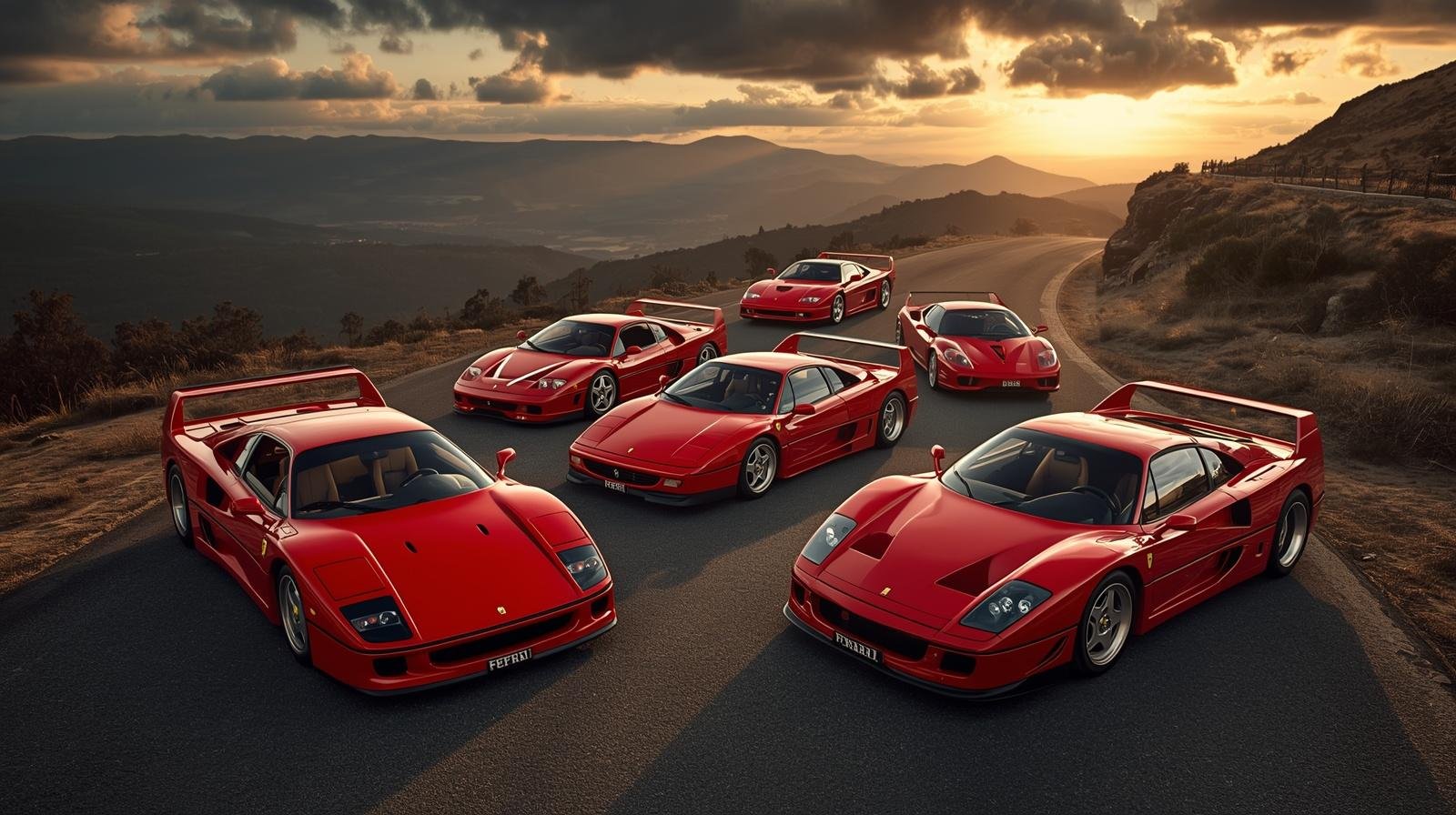
The F40 focused on speed and lightweight construction. It removed many comfort features to improve performance. This model is often listed among the most important Ferrari cars.
Ferrari Enzo
The Ferrari Enzo was named after Enzo Ferrari.
- Production period: 2002–2004
- Engine: V12
- Technology: Derived from Formula One
The Enzo introduced advanced materials such as carbon fiber. It also used aerodynamics and braking systems based on racing experience. It served as a bridge between racing technology and road cars.
Ferrari LaFerrari
LaFerrari represents a shift toward hybrid technology.
- Production period: 2013–2018
- Engine: V12 with electric motor
- System: Hybrid performance system
This model combined electric power with a petrol engine to improve efficiency and performance. It marked a new direction for Ferrari engineering.
Ferrari 458 Italia
The Ferrari 458 Italia is known for balance between engine performance and handling.
- Production period: 2009–2015
- Engine: Naturally aspirated V8
- Layout: Mid-engine
The 458 Italia replaced the F430 and introduced updated aerodynamics and control systems. It is often considered one of the best V8 Ferrari models.
Ferrari F50
The Ferrari F50 followed the F40 and continued the focus on performance.
- Production period: 1995–1997
- Engine: V12 derived from racing
- Structure: Carbon fiber chassis
The F50 used technology from racing programs. It offered a direct connection between track and road driving.
Ferrari 812 Superfast
The Ferrari 812 Superfast is a front-engine V12 model.
- Production period: 2017–present
- Engine: V12
- Power output: High-performance range
This model focuses on speed and long-distance driving. It represents the evolution of front-engine Ferrari design.
Ferrari Testarossa
The Ferrari Testarossa gained attention for its layout and engine design.
- Production period: 1984–1996
- Engine: Flat-12
- Cooling system: Side air intakes
The Testarossa became widely known and influenced later designs. It also improved cooling and engine placement.
Ferrari SF90 Stradale
The SF90 Stradale is a modern hybrid model.
- Production period: 2019–present
- Engine: V8 with electric motors
- Drive system: All-wheel drive
This model introduced advanced hybrid systems and high output. It shows how Ferrari integrates new technology into performance cars.
Ferrari 365 GTB/4 Daytona
The Ferrari Daytona is part of the GT series.
- Production period: 1968–1973
- Engine: V12
- Layout: Front-engine
The Daytona competed with other high-performance cars of its time. It became known for speed and long-distance capability.
Ferrari Dino 246 GT
The Dino 246 GT represents a different approach within Ferrari production.
- Production period: 1969–1974
- Engine: V6
- Purpose: Smaller sports car segment
This model introduced a lower engine capacity while maintaining performance. It expanded Ferrari’s model range.
Ferrari 599 GTB Fiorano
The 599 GTB Fiorano is another front-engine V12 model.
- Production period: 2006–2012
- Engine: V12
- Technology: Advanced handling systems
It improved control and driving systems. It also served as a base for later models like the F12.
Ferrari F12 Berlinetta
The F12 Berlinetta replaced the 599 GTB.
- Production period: 2012–2017
- Engine: V12
- Design: Aerodynamic focus
This model improved airflow and performance. It continued the development of front-engine V12 cars.
Ferrari GTO (1984)
The Ferrari GTO from 1984 is different from the 250 GTO.
- Production period: 1984–1987
- Engine: Twin-turbo V8
- Purpose: Homologation for racing
This model reintroduced the GTO name and marked the return of turbocharging in Ferrari cars.
Ferrari Portofino
The Ferrari Portofino is a convertible model.
- Production period: 2017–present
- Engine: V8
- Type: Grand touring
It combines performance with usability. It replaced the California model.
Ferrari Roma
The Ferrari Roma represents modern design direction.
- Production period: 2020–present
- Engine: V8
- Layout: Front-engine
It focuses on daily usability while maintaining performance standards.
Key Factors Behind These Models
Several factors explain why these models are considered among the best:
1. Performance
Each model delivers strong engine output and speed.
2. Engineering
Use of advanced materials and systems improves efficiency.
3. Racing Influence
Technology from Formula One supports design and development.
4. Limited Production
Some models were produced in small numbers, increasing demand.
5. Innovation
Hybrid systems and aerodynamics show continuous improvement.
Impact on Automotive Industry
Ferrari models influence other manufacturers. Key contributions include:
- Use of carbon fiber
- Development of hybrid performance systems
- Improvement in aerodynamics
- Integration of racing technology into road cars
These developments affect the global car industry.
Conclusion
Ferrari has produced many models that shaped the sports car segment. Cars like the 250 GTO, F40, Enzo, and LaFerrari show progress in engineering and design. Modern models such as the SF90 Stradale continue this direction with hybrid systems.
Each model listed here represents a stage in Ferrari’s development. Understanding these cars helps explain how the brand maintains its position in the automotive industry.