Introduction
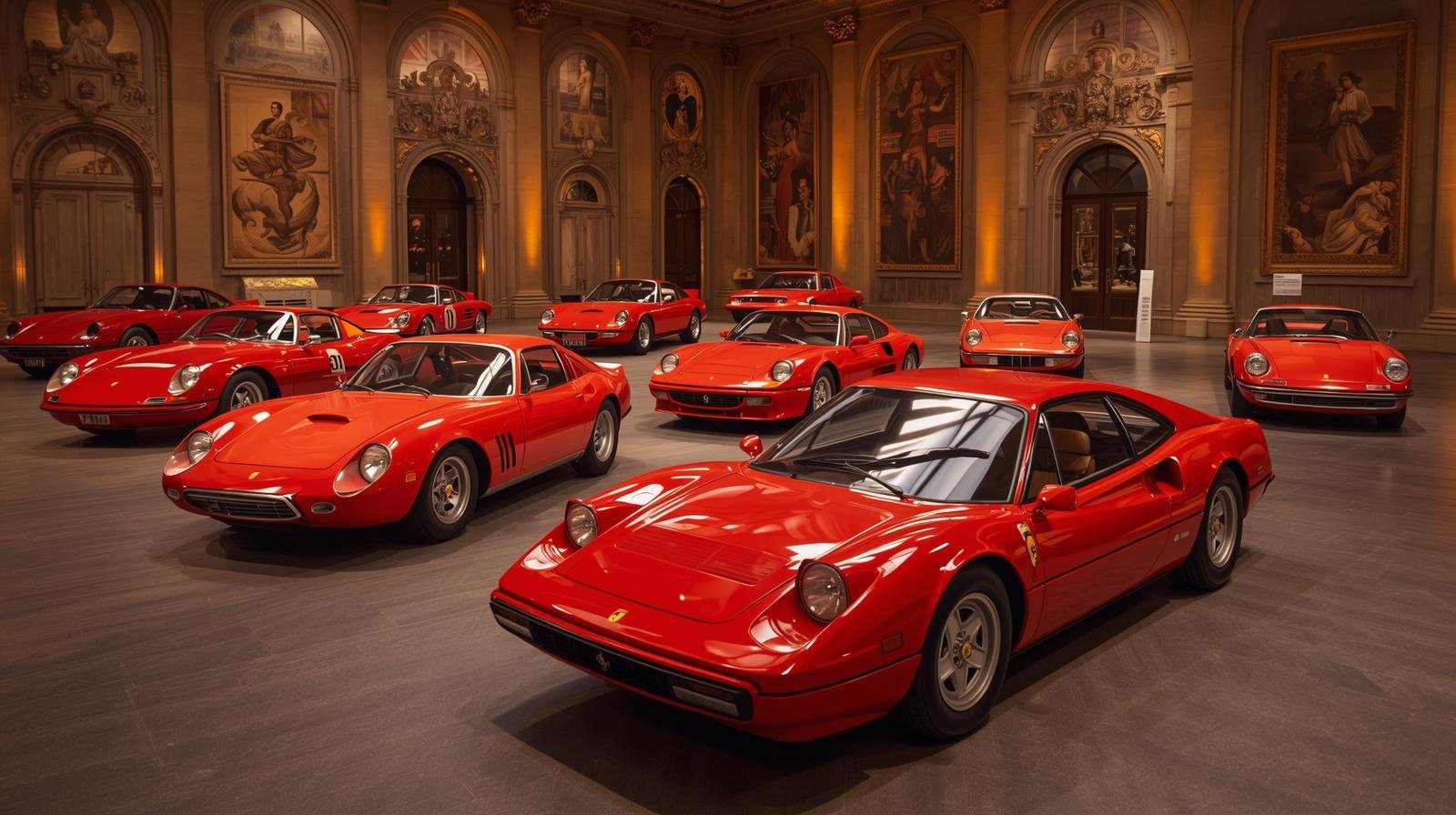
Ferrari has produced many cars that shaped the sports car industry. Some early and mid-era models played a key role in racing, engineering, and brand identity. These classic Ferrari models continue to influence modern designs and remain important in automotive history.
This article explains the most important classic Ferrari models, their specifications, and their historical role.
Ferrari 125 S
The Ferrari 125 S was the first car built by Enzo Ferrari.
- Year: 1947
- Engine: V12
- Purpose: Racing
This model marked the beginning of Ferrari as a car manufacturer. It introduced the V12 engine layout that became a key part of future models.
Ferrari 166 MM
The Ferrari 166 MM was designed for endurance racing.
- Year: 1948
- Engine: V12
- Achievement: Wins in endurance races
This model achieved success in events like the Mille Miglia. It helped establish Ferrari in motorsport.
Ferrari 250 GTO
The Ferrari 250 GTO is one of the most important classic models.
- Production: 1962–1964
- Engine: V12
- Purpose: Racing and road use
The 250 GTO achieved success in GT racing. Limited production increased its demand among collectors.
Ferrari 250 GT California
The 250 GT California was designed for road use.
- Production: Late 1950s–1960s
- Engine: V12
- Body type: Convertible
This model combined performance with usability. It became popular among buyers and collectors.
Ferrari 275 GTB
The Ferrari 275 GTB introduced new engineering features.
- Production: 1964–1968
- Engine: V12
- Feature: Independent rear suspension
This model improved handling and vehicle balance compared to earlier cars.
Ferrari 365 GTB/4 Daytona
The Daytona is part of Ferrari’s GT series.
- Production: 1968–1973
- Engine: V12
- Layout: Front-engine
It gained recognition for speed and long-distance driving capability. It competed with other sports cars of its time.
Ferrari Dino 246 GT
The Dino 246 GT was introduced as a smaller engine model.
- Production: 1969–1974
- Engine: V6
- Purpose: Expand product range
This model introduced a different engine type while maintaining Ferrari performance standards.
Ferrari Berlinetta Boxer (BB Series)
The BB series introduced a new engine placement.
- Production: 1973–1984
- Engine: Flat-12
- Layout: Mid-engine
Models in this series include the 365 GT4 BB and 512 BB. They marked a shift toward mid-engine design.
Ferrari Testarossa
The Ferrari Testarossa became widely recognized.
- Production: 1984–1996
- Engine: Flat-12
- Feature: Side air intakes
It improved cooling and engine performance. The Testarossa also influenced later designs.
Ferrari F40
The Ferrari F40 was introduced to mark a company milestone.
- Production: 1987–1992
- Engine: Twin-turbo V8
- Structure: Lightweight design
The F40 focused on performance and reduced weight. It remains one of the most discussed Ferrari models.
Ferrari F50
The Ferrari F50 continued development after the F40.
- Production: 1995–1997
- Engine: V12 derived from racing
- Feature: Carbon fiber chassis
It used technology from Formula One to improve performance.
Ferrari 288 GTO
The Ferrari 288 GTO introduced turbocharging.
- Production: 1984–1987
- Engine: Twin-turbo V8
- Purpose: Homologation for racing
It marked the return of the GTO name and influenced future turbocharged models.
Ferrari 308 GTB
The Ferrari 308 GTB became known through media and road use.
- Production: 1975–1985
- Engine: V8
- Layout: Mid-engine
It helped expand Ferrari’s presence in the global market.
Ferrari Mondial
The Ferrari Mondial introduced a different layout.
- Production: 1980–1993
- Engine: V8
- Seating: Four seats
It offered more space compared to other Ferrari models while maintaining performance.
Key Features of Classic Ferrari Models
1. Racing Influence
Many classic Ferrari models were built for racing events like Mille Miglia and later influenced road cars.
2. Engine Development
Ferrari introduced V12, V8, and V6 engines across different models.
3. Design Evolution
Engine placement moved from front-engine to mid-engine layouts.
4. Limited Production
Many classic models were produced in small numbers, increasing their value.
Impact on Modern Ferrari Cars
Classic Ferrari models continue to influence modern vehicles.
- Engine configurations remain in use
- Aerodynamics evolved from early designs
- Racing technology continues to be applied
Modern models still follow concepts developed in earlier cars.
Collector Market and Value
Classic Ferrari cars are important in the collector market.
- Limited production increases demand
- Historical value affects pricing
- Auction sales show high valuation
Models like the 250 GTO are among the most valuable cars.
Ferrari Heritage
Ferrari maintains its heritage through:
- Preservation of classic models
- Participation in vintage racing events
- Continued reference to past designs
The brand connects its history with current production.
Conclusion
Ferrari has produced many classic models that shaped the sports car industry. From the first 125 S to later models like the F40 and F50, each car contributed to engineering and design development.
These classic Ferrari models remain important for understanding how modern sports cars evolved. Their influence continues in current Ferrari vehicles and in the wider automotive industry.